
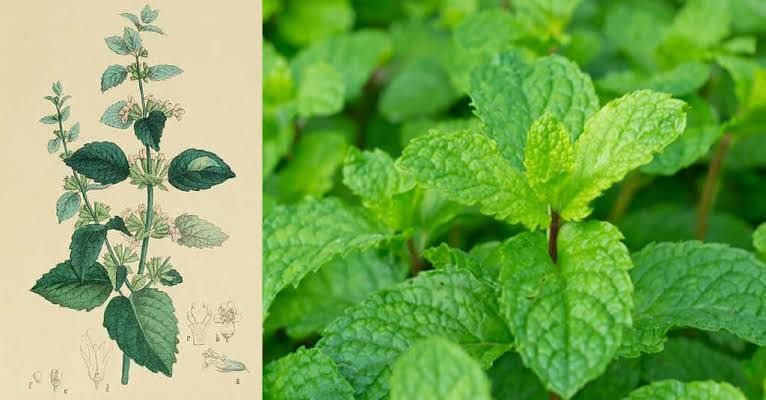
The perennial lemon balm plant is a member of the mint family. Known officially as Melissa officinalis, it is sometimes referred to as common balm or balm mint.
Lemon balm tea benefits ~
Promoting relaxation, reducing stress, improving sleep quality, aids in digestion by relieving bloating and indigestion, may help in memory, anti bacterial, anti microbial, irritation, reducing menstrual pain and PMS symptoms + anti viral properties. Lemon balm can help with heart palpitations, heart irregularities, fight infectious diseases, improve problem solving, maths skills, concentration & alertness, treating herpes,
Lemon balm is a mild sedative.
Its native home is southern parts of Europe and various parts of the Middle East and Central Asia, but it’s now grown regularly in the Americas and other locations around the world.
Various lemon balm benefits have been employed in traditional medicine, especially in European countries such as Austria. In fact, it is an ingredient in Carmelite water, an alcoholic extract beverage formulated in the 14th century that’s still for sale in Germany.
In classic literature, characters often added lemon balm to wine or tea in order to treat various illnesses, like high fevers, headaches, nerve pain, wounds, bites and stings.
A few written works praise the lemon balm plant for its mood-lightening effects, such as Persian writer and thinker Avicenna, who referred to it as that which “maketh the heart merry and joyful.” It was also mentioned by:
- Homer in “The Odyssey”
- Nicholas Culpeper (a popular English botanist, physician and herbalist)
- 1696 London Dispensary, which told readers that, “An essence of Balm, given in Canary wine, every morning, will renew youth, strengthen the brain, relieve languishing nature and prevent baldness.”
Source: https://draxe.com/nutrition/lemon-balm/#
 DiosEmporium
Leave a comment