DIOSEMPORIUM.COM

Love Is The Answer~Hidden In Plain Sight

DiosEmporium

  • Research {2} ~ Herbs ~ Herbal Teas {3} ~ Rose Hip

    Roses are symbols of beauty and wealth.

    They belong to the Rosa genus of the Rosaceae family, which has upwards of 100 species.

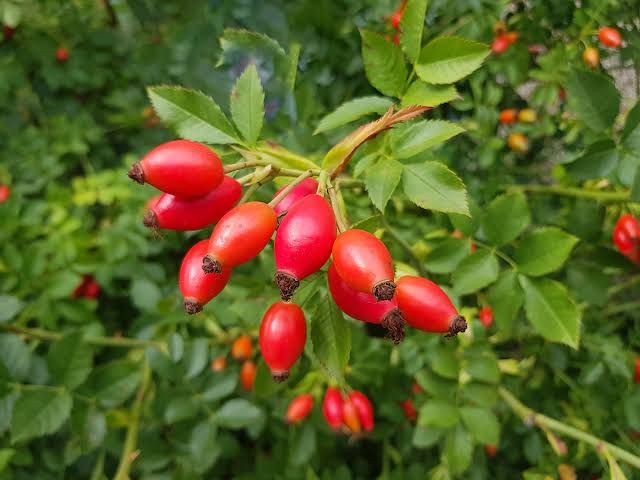
    Rose hips get their red-orange color from carotenoid pigments known as lycopene and beta carotene. These pigments have been shown to promote skin and eye health.

    They’re also rich in disease-fighting antioxidants, such as vitamin C, catechins, quercetin, and ellagic acid. A diet rich in these compounds can help lower inflammation and oxidative stress in your body.

    However, the nutrient content of rose hips largely depends on soil and growing conditions, processing techniques, and the specific species. For example, many rosehip varieties are processed with heat and water, which significantly lowers their vitamin C levels.

    Rose hips have been used for centuries in traditional and folk medicine for their anti-inflammatory and pain-relieving properties.

    Rose hips may improve osteoarthritis symptoms by combating oxidative stress and inflammation in your joints.

    Rosehip seeds are high in polyunsaturated fats, which support a healthy skin membrane and protect your skin from inflammatory compounds, such as ultraviolet (UV) rays, cigarette smoke, and pollution.

    The vitamin C content of fresh rose hips is higher than that found in citrus fruits. Rosehip is also high in folate and contains vitamins A, B3, D and E along with flavonoids, carotenoids, betasitosterol, fructose, malic acid, tannins, magnesium, zinc, copper and numerous other phytochemicals. 

    Interesting facts….

    In WW2 people turned to rosehips to fill the nutrient gap. People were encouraged to collect for their own use and to help troops fight conditions such as scurvy. In 1941, the government launched a national week for the collection of rosehips. School children, Girl Guides, Boy Scouts, and Women’s Institutes picked up their bags, baskets, and buckets and set out to forage. These were collected and each forager paid a thrupence per pound for their efforts. By 1943, 500 tonnes were collected annually- enough to create 2.5 million bottles of syrup and save the import of 25 million oranges per year.

    Rose hips are one of nature’s richest sources of vitamin C. Rosehips have been used for centuries to combat infections such as coughs, colds, flu and respiratory conditions. It is now known that vitamin C is crucial to fight off infections, both bacterial and viral. White blood cells contain 20 times the amount of vitamin C than other cells and require constant replenishment to keep the immune system working to its optimum capacity. Rosehips also contain many important antioxidants – plant chemicals that are naturally anti-inflammatory, shield immune cells from environmental damage and encourage the production of white blood cells.

    Rosehips are rich in pectin, a naturally occurring sugar that acts as a prebiotic – an indigestible fibre that is used in the gut to increase populations of healthy bacteria, aid digestion and enhance the absorption of valuable vitamins.

    Pectin also has a laxative effect on the intestines and is helpful in cases of mild constipation. It appears that intestinal functions are modulated by Rosehips and as such, they can aid in cases of diarrhea, stomach pain and gastric inflammation.

    Source: https://www.healthline.com/nutrition/rose-hips#nutrition

  • Food 🎀🎀🎀

    The nutrient content of food largely depends on soil quality and growing conditions, processing techniques, and the specific species of fruit vegetable etc. Vitamin levels are lower with poor soil quality and growing techniques hence why we need supplements in this modern world.


  • Poetry {13} ~ Acceptance Of My Animated Make-Up, Incremental & Progressive Steps

    Acceptance of my animated make-up

    Embracing my soul

    Approving of myself

    Reality looking glass, mirroring, a reflector glass

    Recieving the blessings

    Open to my path

    Surrendering

    Holding out my hands

    A reserved & humble silent quiet devotion towards myself

    Incremental & progressive steps

    Into an unknown liminal limbo

    Of questions and answers.

    Love Is The Answer ~ Always 😉💋✨

    ~DiosEmporium, 15/04/26


  • Vocabulary {4} ~ Mechanism

    A mechanism is a system of moving parts, a technical device, (e.g a clock mechanism), a structured process/method designed to achieve a goal a specific goal. It often refers to how a system works or a natural process (e.g., a defense mechanism or a biological mechanism of action). Common synonyms include process, machinery, system, apparatus, works, and method


  • Research {2} ~ Herbs ~ Herbal Teas {2} ~ Lemon Balm {Melissa Officinalis} 🫖🫖🫖

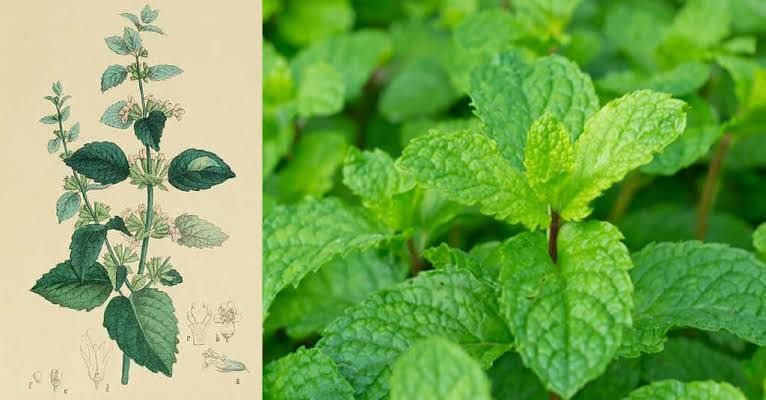
    The perennial lemon balm plant is a member of the mint family. Known officially as Melissa officinalis, it is sometimes referred to as common balm or balm mint.

    Lemon balm tea benefits ~

    Promoting relaxation, reducing stress, improving sleep quality, aids in digestion by relieving bloating and indigestion, may help in memory, anti bacterial, anti microbial, irritation, reducing menstrual pain and PMS symptoms + anti viral properties. Lemon balm can help with heart palpitations, heart irregularities, fight infectious diseases, improve problem solving, maths skills, concentration & alertness, treating herpes,

    Lemon balm is a mild sedative.

    Its native home is southern parts of Europe and various parts of the Middle East and Central Asia, but it’s now grown regularly in the Americas and other locations around the world.

    Various lemon balm benefits have been employed in traditional medicine, especially in European countries such as Austria. In fact, it is an ingredient in Carmelite water, an alcoholic extract beverage formulated in the 14th century that’s still for sale in Germany.

    In classic literature, characters often added lemon balm to wine or tea in order to treat various illnesses, like high fevers, headaches, nerve pain, wounds, bites and stings.

    A few written works praise the lemon balm plant for its mood-lightening effects, such as Persian writer and thinker Avicenna, who referred to it as that which “maketh the heart merry and joyful.” It was also mentioned by:

    • Homer in “The Odyssey”
    • Nicholas Culpeper (a popular English botanist, physician and herbalist)
    • 1696 London Dispensary, which told readers that, “An essence of Balm, given in Canary wine, every morning, will renew youth, strengthen the brain, relieve languishing nature and prevent baldness.”

    Source: https://draxe.com/nutrition/lemon-balm/#


  • Poetry {12} ~ A Breeze Is Carrying My Pleas

    Sensations of the inconspicuous pervading winds

    A gentle breeze

    Carrying my pleas

    Promting my awareness to freeze

    & seize

    Through a crack in the door

    Laying in devotion on the floor

    Not a chore, a daily routine of love

    Towards myself, and in turn God & the rest of the cosmological framework.

    ~DiosEmporium, 14/04/26


  • Vocabulary {5} ~ Divinity/Divinitas ⚜️⚜️

    Divinity (from Latin divinitas) refers to the quality, presence, or nature of that which is divine—a term that, before the rise of monotheism, evoked a broad and dynamic field of sacred power.

    Divinity refers to the state of being divine, holy or god-like, often representing the nature of a supreme being. It can denote a god or goddess, the study of religion (theology), or a radiant, sacred quality. Synonyms include deity, godhood, theology, holiness,